
5 Body-Care Essentials for Dry Skin: A Beginner-Friendly Shopping Guide
August 20, 2026 · v13cormier@gmail.com
Affiliate disclosure: This post contains affiliate links. If you shop through them, Glow & Grow Beauty may earn a commission at no extra cost to you. Links below lead to broad shopping categories, not promises about a specific listing. Check current ingredients, directions, seller information, and suitability before purchasing.
When body skin feels tight, rough, or flaky, a simple routine is often easier to follow than a crowded shelf. This beginner-friendly guide compares five useful product categories and explains what to look for—without claiming that one formula works for everyone.
First, Build the Routine Around Three Habits
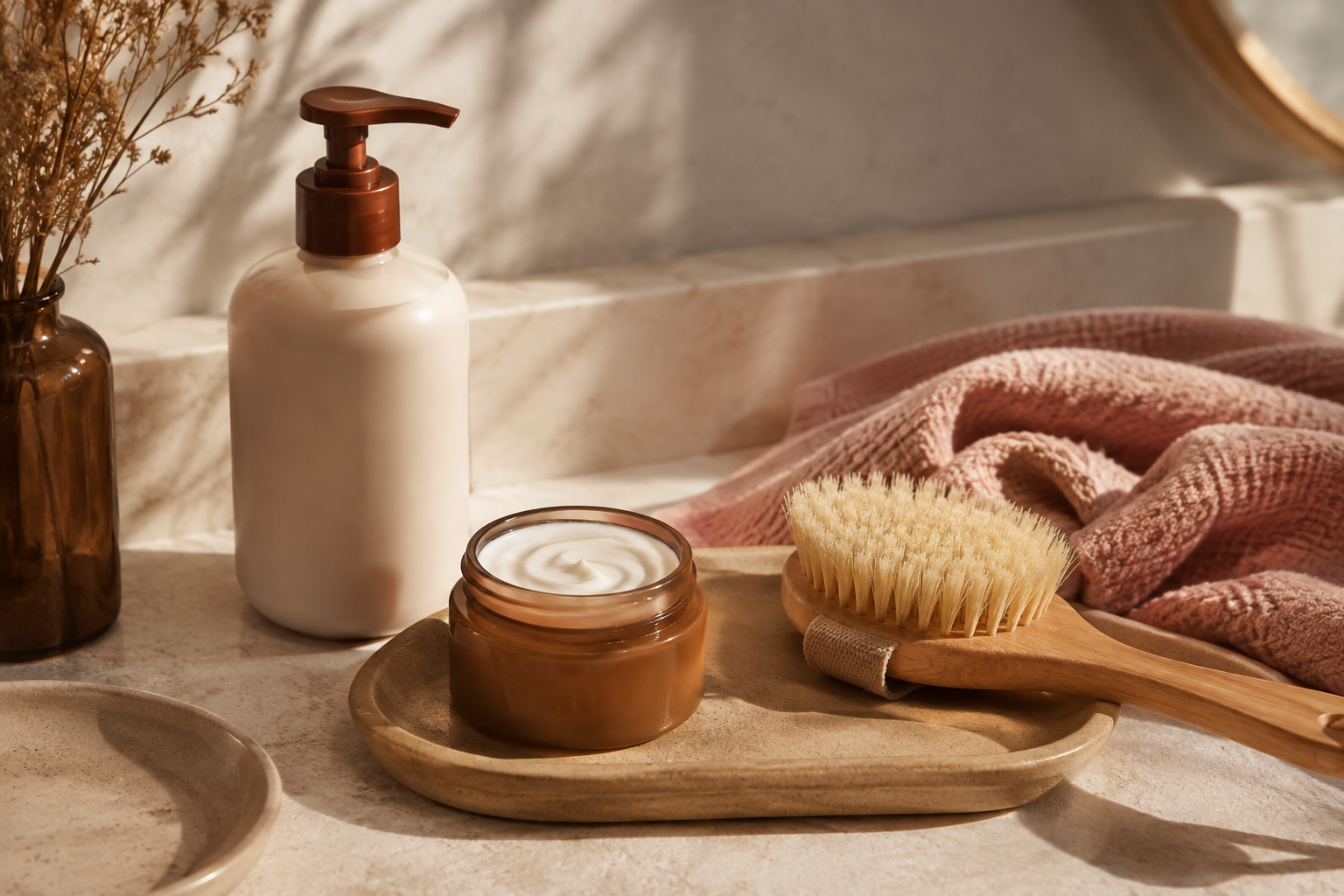
- Keep showers short and warm, not hot. Hot water can leave dry skin feeling more uncomfortable.
- Cleanse gently. Use cleanser where needed instead of aggressively scrubbing every inch of skin.
- Moisturize while skin is still slightly damp. Pat—not rub—skin dry, then apply your cream or ointment promptly.
What to Buy: 5 Useful Body-Care Categories
1. A Gentle, Fragrance-Free Body Wash
Best for: daily cleansing without adding unnecessary fragrance. Look for “fragrance-free” rather than only “unscented,” and choose a mild formula. If your skin reacts easily, patch-test new cosmetics as directed and stop if irritation develops.
Fragrance-Free Body Wash
Shop mild, fragrance-free cleansing options designed to fit a simple dry-skin routine. Compare ingredient lists and directions before choosing.
2. A Rich Fragrance-Free Body Cream
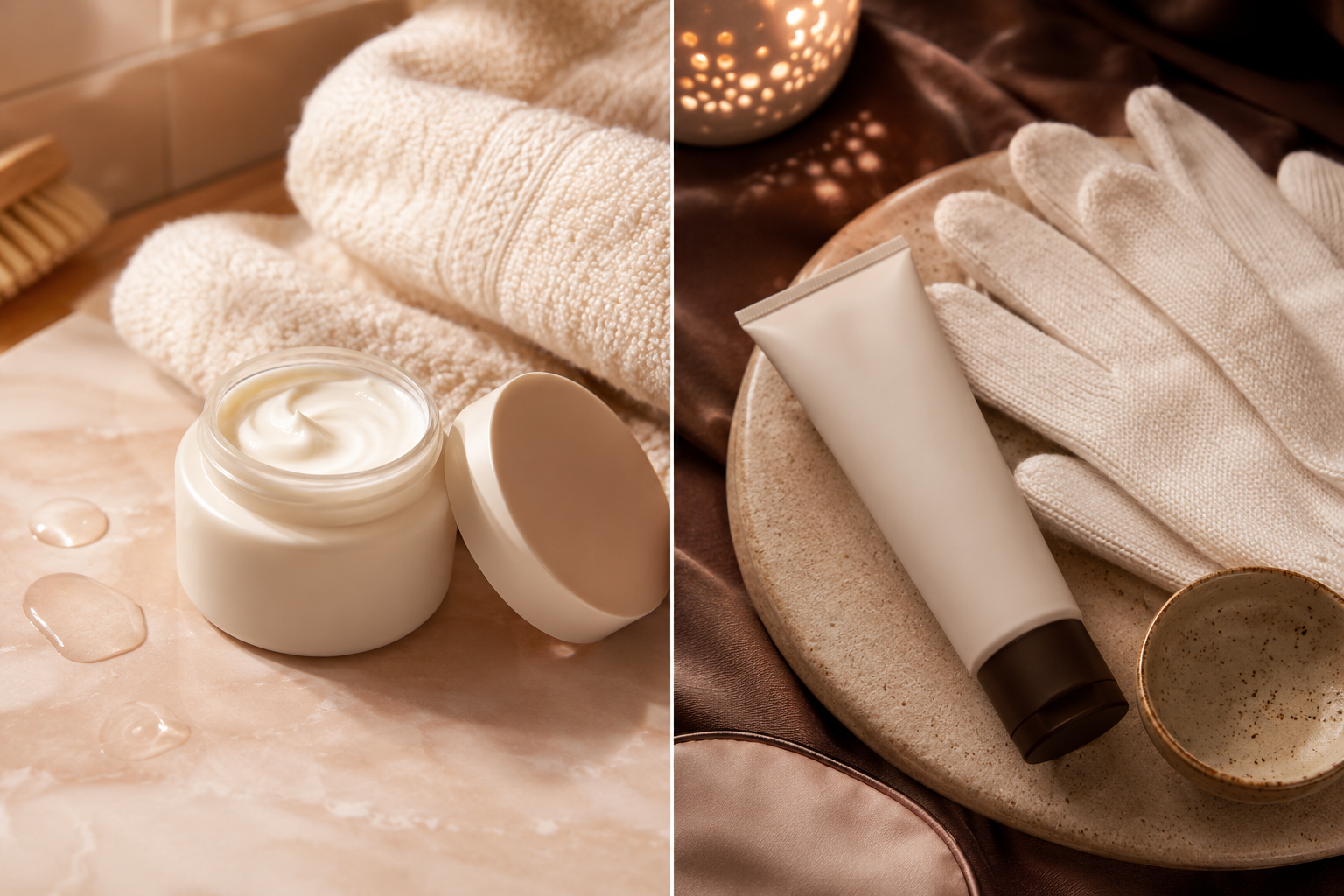
Best for: everyday moisture after bathing. Creams and ointments are generally richer than lotions. Ingredients commonly used in moisturizers include glycerin, petrolatum, and ceramides; the best choice is one your skin tolerates and you will use consistently.
Fragrance-Free Body Cream
A richer cream can be easier to spread over arms and legs while skin is slightly damp. Review the label for fragrance and personal sensitivities.
3. A Plain Occlusive Ointment
Best for: small, very dry spots such as elbows, heels, or knuckles. An ointment can reduce moisture loss by forming a protective layer. Apply a thin amount; do not use on broken, infected, or unexplained irritated skin without professional guidance.
Petrolatum Skin-Protectant Ointment
A simple occlusive option for sealing moisture into small, extra-dry areas. Read the directions and use only as labeled.
4. A Hand Cream You Can Keep Nearby
Best for: reapplying after handwashing. A tube at your sink, desk, or bag makes consistency easier. Choose fragrance-free if scent seems to bother your skin.
Fragrance-Free Hand Cream
A portable cream helps make moisturizing after washing easier to remember. Compare texture, ingredients, and package size.
5. A Broad-Spectrum Body Sunscreen
Best for: exposed skin during the day. Look for broad-spectrum protection with SPF 30 or higher and follow label directions for amount and reapplication. Sunscreen is the last step on exposed areas, not a substitute for moisturizer if your skin still feels dry.
Broad-Spectrum Body Sunscreen SPF 30+
Compare body sunscreen formats that offer broad-spectrum SPF 30 or higher, then use exactly as directed on the label.
Browse Vanessa’s Walmart Beauty Storefront
Explore more approved beauty-shopping ideas. Product selection can change, so review each current listing before buying.
Quick Comparison: Cream, Lotion, or Ointment?
- Lotion: lighter and quick to spread, but may feel insufficient for very dry skin.
- Cream: a practical middle ground for larger areas and regular use.
- Ointment: richest and most occlusive; useful for small, extra-dry areas but can feel greasy.
Safety Notes
Dryness can have many causes. Stop a product if it causes burning, swelling, hives, or worsening irritation. Seek medical care for severe, painful, bleeding, infected-looking, or persistent symptoms. This guide is general education, not medical advice.
FAQs
Is “unscented” the same as “fragrance-free”?
Not always. “Unscented” products may contain ingredients that mask scent. Check the full label if fragrance is a concern.
Do I need all five products?
No. Start with a gentle cleanser and a moisturizer, then add targeted ointment, hand cream, and sunscreen according to your routine and exposed skin.
When should I apply body cream?
Apply after bathing while skin is still slightly damp, then reapply when skin feels dry or after frequent washing.
Sources and Further Reading
- American Academy of Dermatology: Dermatologists’ tips for relieving dry skin
- American Academy of Dermatology: How to select and apply sunscreen
- U.S. Food & Drug Administration: Using Cosmetics Safely
Continue your routine: Explore more beginner-friendly ideas in Skincare, then save this shopping checklist for your next restock.