
How to Stop Foundation From Separating: A Beginner-Friendly 7-Step Routine
September 29, 2026 · v13cormier@gmail.com

Affiliate disclosure: This article contains affiliate links. Glow & Grow Beauty may earn a commission at no additional cost to you if you shop through them.

Foundation separation can look like patchy coverage, tiny gaps around the nose, or makeup that seems to split into oily and dry areas. The good news: the fix is usually less product, better timing and a smarter match between your skincare, primer and foundation.
This beginner-friendly routine focuses on technique—not promises of all-day perfection. Skin changes with weather, hormones and environment, so use the steps as a flexible checklist and adjust what your face needs.
Quick diagnosis
- Separating around the nose: too much emollient product, rubbing, or excess oil.
- Clinging to flakes: dry surface texture or too much powder.
- Pilling into little rolls: layers may be too thick or not given time to settle.
- Breaking apart everywhere: primer and foundation may not layer well together.
Step 1: Start with a clean, comfortable canvas
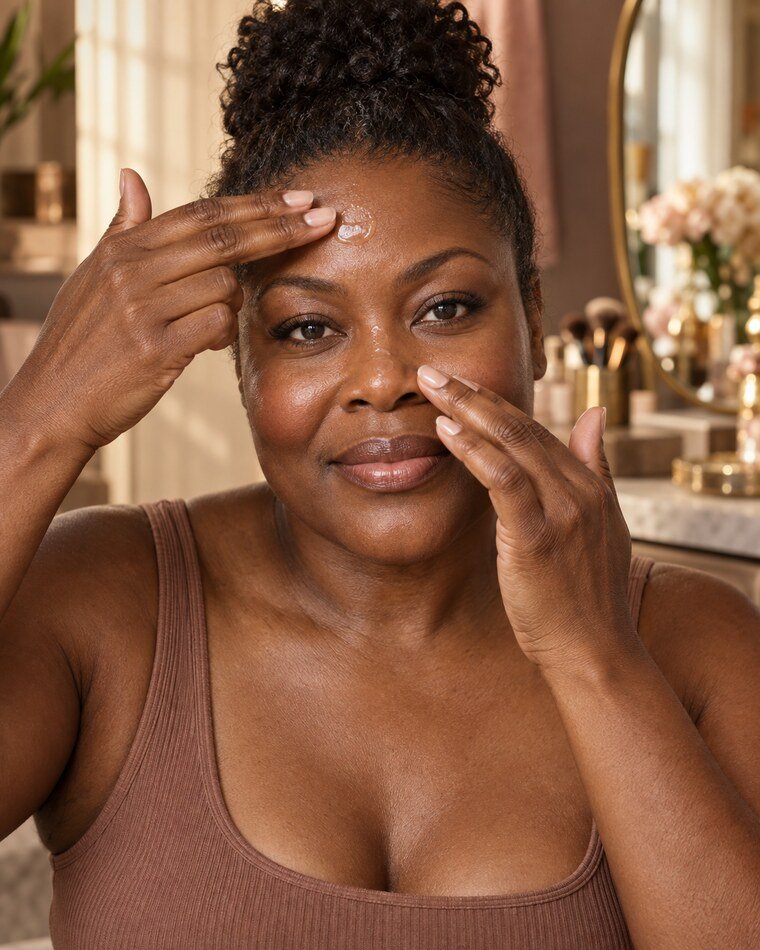
Cleanse gently and pat—not rub—your face dry. If your skin feels tight, apply a simple moisturizer in a thin, even layer. If your T-zone becomes shiny quickly, keep moisturizer lighter there and concentrate it on drier areas.
Give skincare a few minutes to settle before moving on. If it is still sliding under your fingers, your makeup may slide too.
Step 2: Choose primer by the problem—not the trend
Primer is optional, but it can help when you choose a finish that addresses your concern. A hydrating or gripping gel can support dry or normal skin; a pore-diffusing primer can smooth the center of the face; a mattifying formula can be reserved for areas that become oily.
Gripping primer
e.l.f. Power Grip Primer
A translucent, hydrating gel designed to grip makeup and leave a dewy finish. Pat on a thin layer with fingertips rather than rubbing.
Pore-diffusing primer
Rare Beauty Always an Optimist Pore Diffusing Primer
A lightweight gel intended to soften the look of pores and fine lines while helping foundation glide on more evenly. The brand recommends one to two pumps on moisturized skin.
Step 3: Use less primer than you think
Start with a pea-size amount for the whole face—or less if you are spot-priming. Press it into the skin, concentrating on the nose, inner cheeks, forehead or chin only as needed. A thick coat can create another slippery layer between skin and foundation.
Follow the formula’s directions. Gripping gels often benefit from a short pause; Milk Makeup, for example, directs users to let Hydro Grip set for 60 seconds before layering makeup.
Step 4: Apply foundation in thin sections
Place a small amount on the center of the face and blend outward. Work one area at a time so the product does not begin setting before it is blended. Use a damp sponge for a sheerer finish or a dense brush for more coverage, then press over the skin with the sponge to pick up excess.
Need more coverage? Add it only where you can still see unevenness. Two whisper-thin layers usually look smoother than one heavy layer.
Step 5: Keep creams moving before you set
Apply cream concealer, blush or contour with tapping motions. If the base underneath begins to lift, stop swiping. Use the clean side of your sponge to press the edges back into place, then let everything settle for a minute.
Step 6: Powder strategically
Use a small, fluffy brush to press a light veil of powder into the areas that crease or become shiny. Avoid baking dry cheeks or textured areas. If powder looks heavy, roll a clean damp sponge over the area once—do not drag it.
Step 7: Set, then leave the base alone
Mist setting spray from about an arm’s length away in a light X and T pattern. Let it air-dry completely before touching the face. For midday shine, blot first; adding powder directly over oil can create a thick, separated layer.
Prime, set and refresh
Too Faced Hangover 3-in-1 Replenishing Primer & Setting Spray
A hydrating multitasking mist made to be used before makeup, after makeup or as a refresher. Shake well and keep eyes closed while misting.
A simple compatibility test
Before a special event, test your moisturizer, primer and foundation together on one side of your face. Apply the same thin layers you plan to wear, wait at least an hour, then check around the nose and smile lines in natural light. If pilling or separation appears, remove one layer from the routine and test again.
Safe removal matters
At the end of the day, loosen long-wear makeup with a cleansing balm, oil cleanser or micellar water that is suitable for your skin. Follow with a gentle water-based cleanser, rinse well and moisturize. Do not scrub flakes or textured areas. Read our beginner-friendly double-cleansing guide for the full routine.
Frequently asked questions
Why does my foundation separate even with primer?
Too much skincare, primer or foundation can still create slippage. Timing and layer thickness often matter more than adding another product.
Do silicone and water ingredients have to match?
Not always. Most formulas contain a mix of ingredients, and application technique can matter just as much. Test the exact products together instead of judging only by the first ingredient.
Should I powder before foundation?
Some people like that technique for very oily areas, but it can emphasize dryness and texture. Beginners should start with the lighter, more forgiving routine above.
Save this routine for your next makeup day
Then compare hydrating, gripping and shine-control formulas in our face-primer shopping guide.